From Worldometer, COVID-19 new deaths:
DAY USA WORLD Brazil India South Africa
June 9 1093 4732 1185 246 82
July 5 251 3572 535 421 173
7 993 5504 1312 479 192
12 380 4118 659 500 108
15 1001 5760 1261 614 107
19 412 4606 715 675 85
22 1205 7128 1293 1120 572
26 450 4307 556 715 114
Aug 1 1462 6429 1191 765 193
3 467 4430 514 514 213
Aug 1 1462 6429 1191 765 193
3 467 4430 514 514 213
5 1362 6292 1394 849 345
10 534 4813 593 1013 198
12 1504 6556 1242 835 130
16 522 4525 582 961 162
18 1358 6312 1365 1089 280
12 1504 6556 1242 835 130
16 522 4525 582 961 162
18 1358 6312 1365 1089 280
24 510 4356 679 854 100
25 1290 5856 1215 1066 149
30 369 4182 398 960 47
Sept 3 1094 5886 830 1083 174
4 1033 5814 855 1066 115
5 707 4822 646 1044 101
6 432 4129 456 1008 110
8 496 4477 516 1107 82
9 1208 6222 1136 1168 82
10 1090 5988 922 1213 97
Sept 3 1094 5886 830 1083 174
4 1033 5814 855 1066 115
5 707 4822 646 1044 101
6 432 4129 456 1008 110
8 496 4477 516 1107 82
9 1208 6222 1136 1168 82
10 1090 5988 922 1213 97
Donald Trump says we are doing fine. From The New York Times daily briefing today.


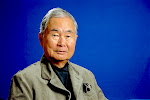
 We both grew up in Kakaako. In those days, people didn't go to restaurants. However, his parents had a saimin stand (actually, a large restaurant) which my family frequented a lot. Here is his mother, Shimo, at the cash register. It was about two blocks away from my home.
 Never knew him growing up, for he is 15 years older. My older brother Stan and I have a decade difference, and, in many ways, the relationship I had with them was generational. Their socio-psychological profile was similar. Both were engineers and had a self-effacing personality molded by the nature of Hawaii during their maturation. When I came around, I was a bit more assertive.
Fuj (shortened from Fujio, which to many became Fudge) and I both came from Kakaako, went to McKinley High School, served in the 442 (although he actually went to war in Europe, while I tried to avoid the Vietnam War), and got our doctoral degrees in engineering on the mainland.

That tea group, I knew, consisted of the top political and business leaders in the state, and they anointed people to the top. Perhaps I could have been governor if I gave up golf. Good thing.

 At McKinley, a classmate of his was Daniel Inouye. They had a special friendship, for they also were students at the University of Hawaii when Japan attacked Pearl Harbor. They joined the 442 and went through similar tribulations. No doubt their link provided special funds to Hawaii, but more than that, their combined status led to much of what we have today.

IN REMEMBRANCE OF PAUL AND GUY
Paul Yuen and I founded PICHTR, while Guy Toyama (tallest guy in the photo, with Fuj to his left--this was then the board of BRH) and I invented BRH. They're now all gone.

Two and a half years into my Senate assignment, I received a letter from President Fujio Matsuda of the University of Hawaii. He basically said, a long time ago the UH only allowed him a three year leave, so that must be the policy, or something like that. Senator Matsunaga had given me a rather hefty raise in anticipation of this ultimatum. However, I did not want to give up tenure, and, frankly, it was time for me to strike out on my own. so I went home. I never did, but I should have thanked Fuj, for the 80's and 90's at the University of Hawaii were my most productive. This three year experience in the U,S. Congress provided the base from which I could develop a fabulous academic career.


To close, here is something cheerful from Italy, Volare:

-



ไม่มีความคิดเห็น:
แสดงความคิดเห็น